
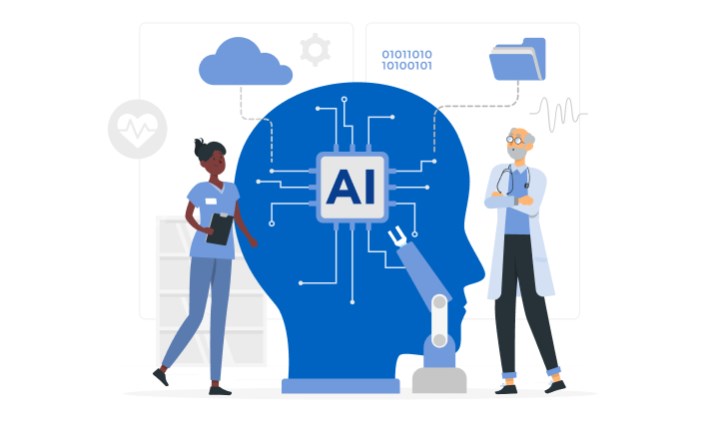
Expertise augmentation through artificial intelligence (AI) refers to the use of AI technologies to enhance and support the capabilities of human experts in various fields. In healthcare, this concept holds great promise for improving patient outcomes and advancing medical practices. Here’s how expertise augmentation via AI can lead to better outcomes:
Data Analysis and Pattern Recognition: AI can analyze vast amounts of patient data, medical literature, and research findings to identify patterns and trends that may not be immediately apparent to human experts. This can assist healthcare professionals in making more informed decisions and providing tailored treatments.
Enhanced Diagnosis and Prediction: AI algorithms can analyze medical images, patient records, and genetic data to assist in diagnosing diseases and predicting patient outcomes. By considering a broader range of data points, AI can improve diagnostic accuracy and help doctors make timely treatment decisions.
Access to Specialized Expertise: AI can provide access to specialized expertise regardless of geographical limitations. For instance, remote healthcare professionals can collaborate with AI systems that have access to a wide range of medical knowledge and resources.
Minimized Cognitive Bias: AI operates based on data and algorithms rather than subjective biases. This can help mitigate cognitive biases that can sometimes impact human decision-making.
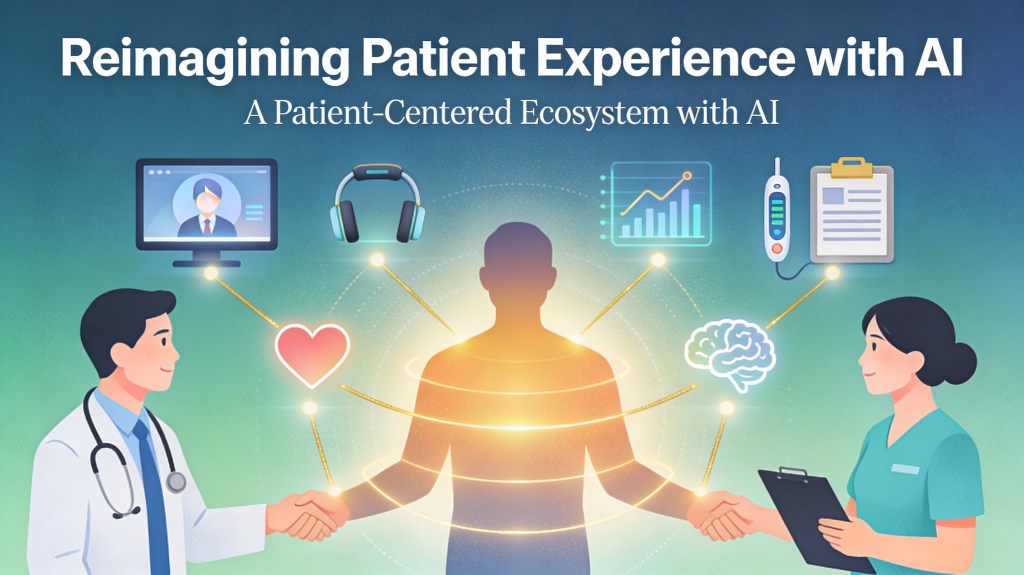
Collaboration between AI systems and human experts is crucial to ensure that AI’s recommendations align with medical best practices and take into account the unique context of each patient’s situation.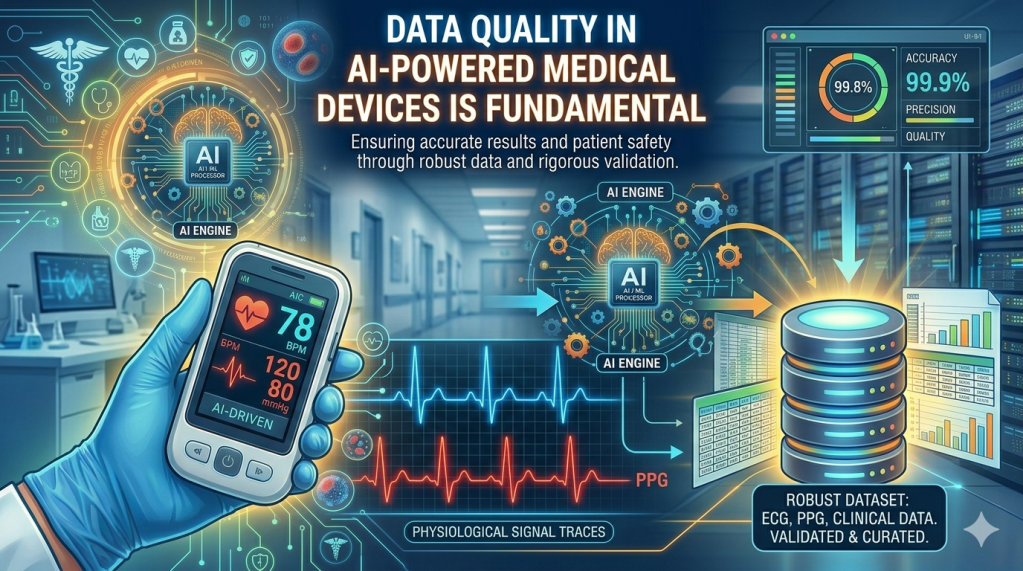

 Technology and Management